A Paradigm Shift in Metabolic Oncology:
Mechanisms of Cancer Suppression, Clinical Evidence, Expert Perspectives, and a Comprehensive Analysis for Investors on Wegovy and Mounjaro


A New Era of Cancer Chemoprevention Through Metabolic Regulation
GLP-1 receptor agonists (GLP-1RAs) like semaglutide (Wegovy) and the dual GIP/GLP-1 receptor agonist tirzepatide (Mounjaro) have achieved unprecedented commercial and clinical success in treating obesity and type 2 diabetes. However, the most revolutionary shift currently capturing the attention of the clinical oncology community and global capital markets is that these agents are emerging as key therapeutics in metabolic oncology, going beyond their primary pharmacological efficacy in weight loss and glycemic control to prevent obesity-associated solid tumors and block tumor metastasis.

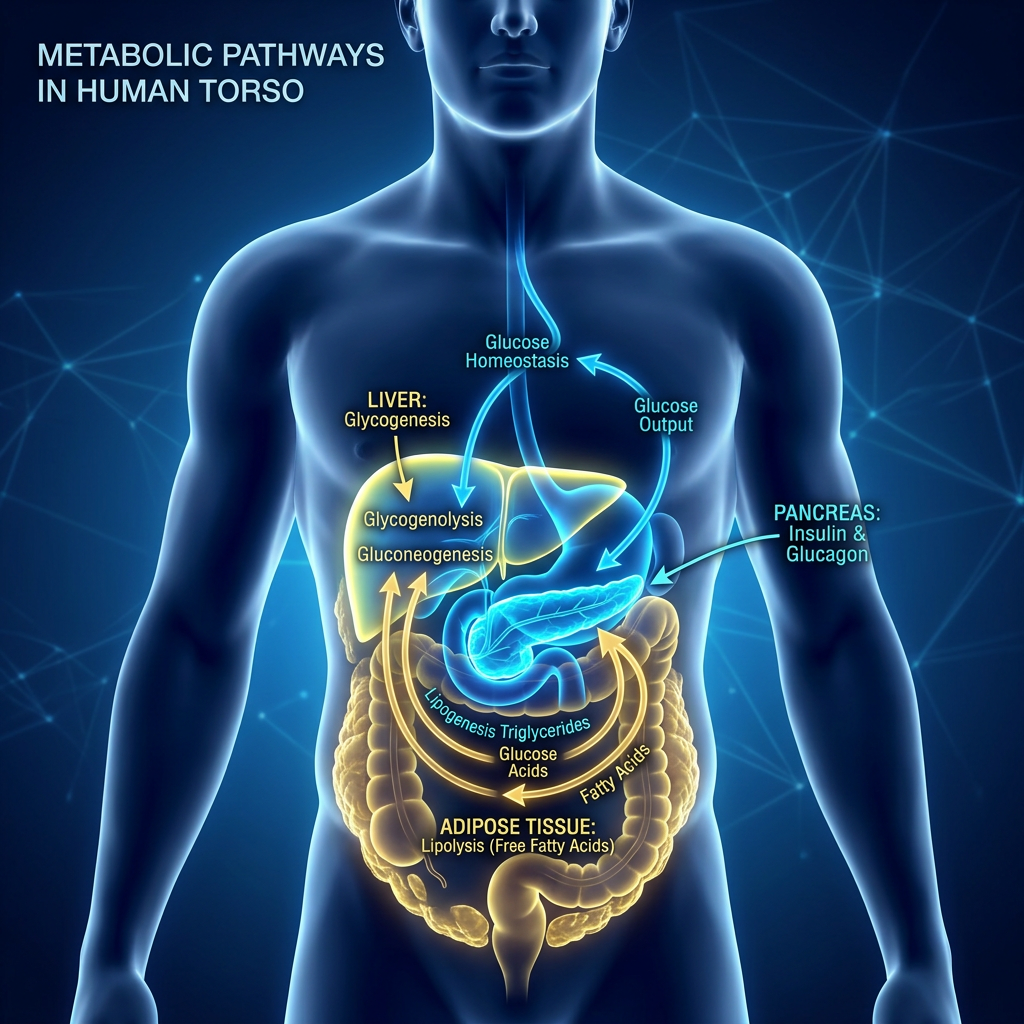
Chronic hyperinsulinemia, insulin resistance, systemic low-grade inflammation, and abnormal adipokine secretion from adipose tissues are key mechanisms of the obesity-induced pro-tumorigenic environment that accelerates tumor initiation, proliferation, and metastasis. Semaglutide and tirzepatide normalize abnormal adiponectin-to-leptin ratios through weight loss, improve insulin sensitivity, block chronic inflammatory factors, and activate immune cells within the tumor microenvironment (TME), establishing an inhospitable environment for cancer cells. This mechanism presents a new paradigm of chemoprevention that goes beyond superficial changes in the obese population, potentially altering the epidemiological trajectory of cancer itself.
Clinical Evidence and Statistical Preventive Efficacy Against Obesity-Related Cancers
Recent cohort studies and large-scale clinical datasets published in leading international journals have successively presented empirical evidence that GLP-1 class drugs significantly reduce the incidence of obesity-related cancers.
Cancer Risk Reduction Proven by Large-Scale Epidemiological Data
A retrospective cohort study based on a Target Trial Emulation design, published in JAMA Oncology (October 2025), clearly demonstrated the preventive efficacy of metabolic therapies in numbers.
Tracking real-world data (RWD) from 2014 to 2024 across 14 healthcare systems integrated into the OneFlorida+ network, this study analyzed 86,632 adults who met the prescribing criteria for anti-obesity drugs with no prior history of cancer. Using 1:1 propensity score matching, they were divided into a GLP-1RA user group (43,317) and an eligible nonuser control group (43,315), followed for up to 8 years. The cohort had a mean age of 52.4 years, was 68.2% female, and 50.7% had type 2 diabetes.
The analysis revealed that the overall cancer incidence rate was 13.6 per 1,000 person-years for the GLP-1RA group compared to 16.4 per 1,000 person-years for the control group, representing a statistically significant lower risk of overall cancer (HR = 0.83, 95% Confidence Interval [CI]: 0.76–0.91, P = 0.02). Dramatic preventive efficacy was particularly observed in specific solid tumors closely linked to hormonal overload and metabolic syndrome :
- Endometrial Cancer: The Hazard Ratio (HR) was 0.75 (a 25% reduction, 95% CI: 0.57–0.99).
- Ovarian Cancer: HR = 0.53 (a 47% reduction, 95% CI: 0.29–0.96), demonstrating a dramatic cancer-suppressing effect.
- Meningioma: HR = 0.69 (a 31% reduction, 95% CI: 0.48–0.97).
- Composite Gynecological Cancer Model: Sensitivity analysis using a composite model of endometrial and ovarian cancers confirmed a robust risk reduction with HR = 0.69 (95% CI: 0.48–0.97).
Conversely, a marginal increased risk of kidney cancer was observed in the site-specific analysis (HR = 1.38, 95% CI: 0.99–1.93, P = 0.04), mostly localized to individuals under 65 years and those who were overweight (BMI 27–29.9). The oncology community views this signal as an area requiring ongoing epidemiological vigilance and long-term safety screening, rather than an immediate reason to withhold therapy.
Pharmacological Preventive Mechanisms Outperforming Bariatric Surgery
A long-term cohort study from Clalit Health Services in Israel, published in The Lancet‘s eClinicalMedicine, generated even greater waves in the clinical oncology community. The study evaluated 6,356 patients with obesity and type 2 diabetes, matching them 1:1 into a first-generation GLP-1RA user group (N = 3,178; receiving at least 6 consecutive monthly prescriptions of liraglutide, exenatide, or dulaglutide) and a bariatric metabolic surgery (BMS) group (N = 3,178; sleeve gastrectomy 48.8%, gastric bypass 40.3%, laparoscopic banding 11.0%) and followed them for a median of 7.5 years and up to 12.9 years.
While the surgery group experienced a vastly superior physical weight reduction—achieving a 31.1% average maximal BMI reduction compared to only a 12.9% reduction in the GLP-1RA group—there was no statistically significant difference in the incidence of 298 obesity-related cancers developed during follow-up (5.62 cases per 1,000 person-years in the surgery group vs. 5.89 cases in the GLP-1RA group).
The most critical finding emerged from mediation analysis using a multivariable Cox Proportional Hazards model that controlled for weight loss during follow-up. After mathematically adjusting for the effect of weight reduction, the adjusted hazard ratio for the GLP-1RA group versus the surgery group was 0.59 (95% CI: 0.41–0.85). This implies that even when excluding the physical weight-loss factor, the medication itself provides an additional 41% direct relative risk reduction in cancer development, likely due to its intrinsic anti-inflammatory and metabolic remodeling properties. The most prevalent cancer types developed in this cohort were postmenopausal breast cancer (26%), colorectal cancer (16%), and endometrial cancer (15%).
Comparison of Major Oncological Preventive and Empirical Clinical Studies
| Comparison Metric | US JAMA Oncology Epidemiological Study (2025) | Israeli Lancet eClinicalMedicine Study (2025) |
| Cohort & Scale | 86,632 overweight/obese adults (1:1 matched cohort) | 6,356 patients with obesity & diabetes (1:1 matched cohort) |
| Comparison Design | GLP-1RA users vs. Metabolic treatment nonusers | GLP-1RA users vs. Bariatric Metabolic Surgery (BMS) |
| Max Follow-up | Up to 8 years | Median 7.5 years, up to 12.9 years |
| Primary Endpoints | First incidence of 14 designated cancers and survival analysis | Cumulative incidence of obesity-related cancers (ORC) |
| Mediation Adjustment Effect | Preventive effects driven by weight and insulin sensitivity improvements | Post-weight loss adjustment: 41% additional protection over surgery (HR = 0.59) |
| Clinical Highlights | Confirmed dramatic reduction in hormone-dependent cancers (ovarian, endometrial) | Demonstrated direct anti-inflammatory drug mechanisms outperform physical surgery-mediated reduction |
Control of the Tumor Microenvironment and Mechanisms of Cancer Metastasis Suppression
The oncological value of semaglutide and tirzepatide extends beyond primary prevention to potential roles as secondary adjuvant agents that block metastatic progression and disease advancement in patients already diagnosed with solid tumors.
ASCO Annual Meeting Presentations: Dramatic Reductions in Solid Tumor Progression and Metastasis Risks
This is strongly supported by a large-scale real-world analysis led by Dr. Mark David Orland’s team at the Cleveland Clinic Cancer Institute (Taussig Cancer Institute), shared ahead of the 2026 ASCO Annual Meeting.
Using the global TriNetX electronic health records database, the researchers tracked a large cohort of 12,112 patients diagnosed with Stage I, II, or III early-stage solid tumors, including breast adenocarcinoma, prostate adenocarcinoma, non-small cell lung cancer (NSCLC), colorectal adenocarcinoma, hepatocellular carcinoma (HCC), renal cell carcinoma (RCC), and pancreatic adenocarcinoma. They compared a group initiated on GLP-1 receptor agonists post-diagnosis with a propensity-matched control group initiated on DPP-4 inhibitors (gliptins), which have similar glycemic control but weaker systemic anti-inflammatory profiles, evaluating the cumulative incidence of progression to Stage IV (metastatic disease).
The analysis demonstrated that patients exposed to GLP-1 receptor agonists experienced statistically significant reductions in metastatic progression, confirming a distinct class effect in blocking metastatic development :
- Non-Small Cell Lung Cancer (2,157 pairs): The cumulative incidence of progression to Stage IV was 10.0% in the GLP-1 group compared to 22.3% in the DPP-4 group, representing a 50% reduction in the risk of metastatic progression (HR = 0.50, 95% CI: 0.43–0.59, P < 0.001).
- Breast Adenocarcinoma (1,187 pairs): Cumulative progression was 10.2% vs. 20.1%, marking a 43% reduction in metastatic occurrence (HR = 0.57, 95% CI: 0.46–0.71, P < 0.001).
- Colorectal Adenocarcinoma (784 pairs): Progression to Stage IV occurred in 13.4% of GLP-1 patients vs. 22.2% of the control group, representing a 31% reduction in risk (HR = 0.69, 95% CI: 0.54–0.88, P = 0.003).
- Hepatocellular Carcinoma (HCC): Progression occurred in 19.0% vs. 28.0% in the control group, significantly lowering metastatic rates.
In the remaining three cancers (prostate, pancreatic, and renal cell carcinomas), the GLP-1 groups also exhibited numerically lower rates of metastasis compared to the control group, though these did not reach statistical significance due to sample size or statistical power constraints.
Concurrently, genomic analysis of human tumors using the Cancer Genome Atlas (TCGA) revealed that high intratumoral expression of the GLP-1 receptor (GLP-1R) was associated with an average 33% lower overall risk of death compared to low expression. In breast cancer subtypes, this was associated with a massive 45% reduction in mortality risk. This provides molecular evidence that the activation of endogenous GLP-1R signaling plays a direct biological role in taming tumor aggressiveness and impeding metastatic potential.
Multifaceted Pharmacological Mechanisms and Establishing Tirzepatide Safety
GLP-1RAs bind to and activate the G-protein coupled receptor (GPCR) GLP-1R on cell membranes, stimulating adenylyl cyclase to increase intracellular cyclic AMP (cAMP) levels. This in turn triggers downstream Protein Kinase A (PKA), CREB, and EPAC signaling pathways.
In extra-pancreatic tissues, tumor cells, and tumor-infiltrating immune cells, these cascades crosstalk with key oncogenic pathways, including PI3K/Akt/mTOR, AMPK, and NF-κB. By suppressing NF-κB, GLP-1RAs dampen the release of pro-inflammatory cytokines while concurrently upregulating the tumor-suppressive AMPK pathway, thereby inhibiting tumor cell proliferation and epithelial-mesenchymal transition (EMT).
Furthermore, a systematic review and meta-analysis of 13 randomized controlled trials (RCTs, 26 to 72 weeks of treatment) involving 13,761 participants confirmed that tirzepatide does not increase overall cancer risk compared to control groups (Risk Ratio RR = 0.78, 95% CI: 0.53–1.16, P = 0.22). Notably, no cases of papillary thyroid carcinoma were reported, even at the highest 10-mg and 15-mg doses that caused mild elevations in serum calcitonin, dispelling safety concerns regarding thyroid cancer in clinical settings.
Paradoxical Warnings in Triple-Negative Breast Cancer (TNBC) and Patient Safety
While GLP-1 receptor agonists offer excellent preventive and metastasis-blocking benefits across most obesity-associated cancers, a recent translational pathology study has raised a major paradoxical warning: in specific aggressive cancers and concurrent chemoimmunotherapy settings, GLP-1 exposure can promote therapeutic resistance.
Chemoimmunotherapy Synergies Neutralized and Pathological Complete Response (pCR) Plunged
Triple-negative breast cancer (TNBC) lacks expression of estrogen, progesterone, and HER2 receptors, making it highly difficult to treat. The standard of care for early-stage TNBC is the KEYNOTE-522 regimen, combining the pembrolizumab (Keytruda) checkpoint inhibitor with multi-agent neoadjuvant chemotherapy (carboplatin, paclitaxel, doxorubicin, cyclophosphamide).
However, an integrated study utilizing spatial transcriptomics, functional cell biology assays, and a multicenter cohort revealed that TNBC patients taking GLP-1 targeting agents during neoadjuvant chemotherapy experienced a pathological complete response (pCR) rate of only 30.8%, compared to 65.0% in the control group (p < 0.001).
- Tumor Intrinsic Survival Signatures: At the cellular level, binding of GLP-1 to tumor-expressed GLP-1R directly activates pro-survival Akt signaling pathways, driving cell proliferation and promoting epithelial-mesenchymal transition (EMT). This directly triggers resistance to paclitaxel, a microtubule-stabilizing chemotherapy agent.
- TME Immunosuppression: Immunohistochemical analysis of 100 primary TNBC specimens showed that while 70% had no direct GLP-1R expression on cancer cells, 72% showed weak-to-moderate stromal staining (Score 1) in immune cells (macrophages and lymphocytes), fibroblasts, and endothelial cells. An additional 10% demonstrated strong, clustered peritumoral stromal staining (Score 2) in peritumoral niches. Activating GLP-1R in these niches disrupts productive macrophage inflammation and prevents their tumor-killing polarization, establishing an immunosuppressive microenvironment that nullifies checkpoint inhibitors.
Clinical Safety Warnings During Active Oncological Treatment
Consequently, oncologists strongly advise against initiating or continuing Wegovy or Mounjaro during active chemotherapy, radiation, or immunotherapy unless required for highly specific supportive settings (e.g., preventing doxorubicin-induced cardiotoxicity).
Furthermore, common side effects of GLP-1 drugs, such as severe nausea, vomiting, and slowed gastrointestinal motility (gastroparesis), can cause severe dehydration and nutritional deficits in fragile cancer patients. Delayed gastric emptying also poses a significant risk of aspiration pneumonia during general anesthesia for diagnostic biopsies or surgeries, requiring patients to strictly follow pre-operative drug discontinuation protocols.
Academic Debates and Future Outlook
Amid the explosive growth of metabolic-oncology pipelines, prominent oncology leaders are engaged in a constructive debate to define the limits and parameters of preventive GLP-1 prescribing.
Analysis and Cautious Stance of Academic Opinion Leaders
- Professor Naveed Sattar (University of Glasgow): While describing the cohort data as “intriguing,” he maintains a cautious stance, emphasizing that observational data cannot definitively prove causation due to residual confounding and potential reverse-causality. Standard randomized controlled trials (RCTs) are required before making definitive clinical guidelines.
- Professor Mark Lawler (Queen’s University Belfast): Described the findings as “transformational,” highlighting that while physical bariatric surgery reduces obesity-related cancer risk by roughly one-third, pharmacological GLP-1 therapy could potentially cut that risk in half by directly targeting systemic inflammatory pathways.
- Professor Richard Martin (Bristol Medical School): Raised critical questions regarding the duration of therapy. Given that most patients regain lost weight after stopping therapy, he cautioned that the rapid weight cycling (yo-yo effect) following drug cessation could induce pro-inflammatory shifts in the tissue stroma, potentially creating new oncogenic risks.
Demystifying Medullary Thyroid Carcinoma (MTC) Risk and Reporting Bias
The boxed warning concerning Medullary Thyroid Carcinoma (MTC) and Multiple Endocrine Neoplasia type 2 (MEN2), which originated from early rodent studies, has been largely demystified by robust human data. Rodents express highly dense GLP-1R on thyroid C-cells, whereas primates and humans express very low levels. Indeed, treating cynomolgus monkeys with up to 500 times the maximum clinical dose of dulaglutide failed to trigger any MTC signaling.
While FDA Adverse Event Reporting System (FAERS) data from 2004 to Q1 2024 shows elevated reporting odds ratios (RORs) for semaglutide (ROR = 7.61), liraglutide (ROR = 15.59), and tirzepatide (ROR = 2.09), clinical groups like the Clayman Thyroid Center (which treats over 2,000 thyroid cancer patients annually) attribute this to detection bias. Patients taking GLP-1 therapies experience significantly more clinical encounters, blood monitorings, and routine screening ultrasounds by prescribing endocrinologists, leading to the disproportionate incidental detection of benign nodules or early papillary thyroid cancers (which are biologically unrelated to GLP-1R activity).
What Investors Need to Know:
Opportunities and Threats Analysis
The discovery of cancer-suppressive capabilities adds a highly profitable clinical runway for metabolic pipelines. Global pharmaceutical investors should track five key pillars of capital flow.
1. The Crown Passes to Metabolic Pipelines & Upward Revisions of Peak Sales
According to Deloitte’s 2026 report “Navigating the GLP-1 boom: Measuring the return from pharmaceutical innovation,” obesity and diabetes pipelines have officially overtaken oncology as the largest contributor to late-stage pipeline value—marking a historic first in 16 years of tracking. GLP-1/GIP assets currently account for 38% of projected commercial inflows and 25% of forecast sales from late-stage pipelines. Fueled by this class, analysts raised the industry’s average peak sales forecast per asset to $598 million in 2025. Reflecting these expansions, Morgan Stanley raised its global GLP-1 market peak forecast by $40 billion, anticipating a $190 billion market by 2035 (potentially reaching $240 billion in a bull-case scenario).
2. Collapse of the Compounding Market & Consolidation of Branded Monopolies
A massive regulatory risk is unfolding for unapproved compounded copies. The FDA officially declared that supply shortages for branded tirzepatide (December 2024) and semaglutide (February 2025) have been resolved. Consequently, the temporary compounding allowances under Sections 503A and 503B of the FD&C Act have ended (enforcement discretion ended in March 2025 for tirzepatide and May 2025 for semaglutide). Furthermore, in February 2026, the FDA announced decisive steps to restrict bulk API imports and curb misleading direct-to-consumer advertising of unapproved copies by telehealth startups (e.g., Hims & Hers). This wipes out the high-margin revenue model of compounded providers while consolidating absolute market power and long-term pricing moats for the brand owners, Eli Lilly and Novo Nordisk.
3. Shifting Reimbursement Policies: BMI Restrictions and the BALANCE Model
To protect state and commercial budgets from a “financial wave,” payers are implementing highly restrictive criteria. Payers like Blue Cross Blue Shield of Michigan and the UK’s NHS have raised coverage criteria thresholds to BMI >= 35 or BMI >= 40 with multiple comorbidities, narrowing access.
To bypass these commercial barriers, the US government is piloting structural changes:
- Medicare Bridge Program (July to December 2026): Allows eligible Part D beneficiaries to access Wegovy injections/tablets and Zepbound KwikPens for a flat $50/month copay, with CMS covering the rest.
- BALANCE Model (2027): A 5-year CMS Innovation Center model designed to expand coverage for obesity drugs in Medicaid and Medicare Part D by negotiating lower net prices (targeted under $350/month) combined with structured lifestyle supports. This model will dramatically increase volume (Q) but squeeze gross margin percentages, favoring players with highly scalable manufacturing.
4. Emerging Multi-Target and Oral Pipelines Timelines
Next-generation oral (pills) and highly potent multi-target molecules will hit the market over the next 1–2 years, solving manufacturing bottlenecks and eliminating weekly injections. The development roadmap includes :
| Drug Candidate (Generic) | Developer | Molecular Target | Development Phase & Expected Timeline |
| CagriSema | Novo Nordisk | Amylin (Cagrilintide) + GLP-1 (Semaglutide) dual agonist | NDA submitted in 2025; FDA approval expected in late 2026 |
| Orforglipron | Eli Lilly | High-efficiency non-peptide oral GLP-1 receptor agonist | Phase 3 (ATTAIN-1) complete; FDA decision expected by Q2 2026 |
| Retatrutide | Eli Lilly | GLP-1 + GIP + GCGR (Triple Agonist) | Phase 3 ongoing. Achieved outstanding weight loss (up to 28%) and demonstrated robust tumor reduction in pancreatic and lung cancer models. Expected approval by 2027 |
| Survodutide | Boehringer Ingelheim & Zealand Pharma | Glucagon + GLP-1 dual receptor agonist | Phase 3 underway; targeted launch in 2027 |
5. Inter-industry Spillover Effects: Winners and Losers
- Severe Headwinds for the Alcohol Industry: Because GLP-1 receptor agonists directly modulate reward pathways in the brain, they are being evaluated to treat substance and alcohol use disorders. Morgan Stanley estimates that if just 10% of the US overweight population adopts GLP-1s, total alcohol demand could drop by 6% (and up to 55% with full adoption). Premium spirits and whiskey brands are already citing slowing demand linked to GLP-1 adoption.
- Tailwinds for Athletic Apparel and Fitness: Approximately 70% of individuals initiating GLP-1 therapies report frequent exercise (double the 35% baseline). This structural shift in consumer behavior will directly expand the addressable market for athletic footwear, activewear (e.g., Nike, Lululemon), and associated wellness services.
Conclusion: Investment Guide in a Paradigm Shift
By fundamentally normalizing metabolic health, modern incretin-mimetic therapies are poised to eliminate a major modifiable risk factor, potentially suppressing up to 40% of obesity-associated cancers.
The therapeutic capability to block metastatic progression adds high-margin, clinically indispensable oncology-supportive indications to their pipelines. Despite localized clinical limitations (such as resistance in TNBC settings), the overall trajectory of GLP-1 therapeutics is moving from mere lifestyle weight-loss products to indispensable chronic disease management networks.
For investors, the near-term phase offers highly secured, secular growth. The market is consolidating around Eli Lilly and Novo Nordisk due to the death of compounding copies, while volume (Q) is set to explode under Medicare’s BALANCE model. Strategic capital should remain heavily allocated to key platform leaders piloting multi-target, cancer-suppressive clinical trials.