In-Depth Analysis Report on LG Chem’s Next-Generation Global Oncology Clinical Trials and Pipeline


Introduction: The Acquisition of AVEO and the Paradigm Shift Toward Oncology-Centric R&D
LG Chem’s Life Sciences Division has historically grown based on stable domestic cash cows such as the diabetes treatment ‘Zemiglo’ and the growth hormone ‘Eutropin’. However, to leap forward as a global top-tier pharmaceutical player, the division is undergoing a structural paradigm shift in its R&D, centering on the reinforcement of its oncology-focused innovative drug development capabilities. The decisive turning point for this transition was the acquisition of AVEO Oncology, a U.S.-based oncology specialist, in January 2023. LG Chem invested approximately $566 million USD (around 800 billion KRW)—the largest scale since the company’s inception—to secure ‘Fotivda,’ an FDA-approved targeted therapy for renal cell carcinoma, and incorporated AVEO as a wholly-owned subsidiary.

Following the acquisition, LG Chem implemented a highly focused “portfolio slimming” strategy to efficiently allocate limited resources. It boldly consolidated non-core assets by divesting its aesthetics business and halting the late-stage U.S. clinical development of its gout treatment ‘Tigulixostat’. This strategic decision was made to concentrate corporate resources on oncology, which has a higher value-add and strong unmet needs, rather than general disease areas with lower capital recovery potential. As of 2025, the Life Sciences division’s R&D budget stands at 373 billion KRW, accounting for approximately 35.3% of the entire company’s R&D budget. This represents an exceptionally high concentration of investment, considering that the division’s revenue accounts for only about 3% of the company’s total sales.
Technical Analysis and Clinical Status of Core Oncology Pipelines
LG Chem’s oncology pipeline features a highly structured portfolio ranging from late-stage clinical assets nearing commercialization to innovative, biomarker-based early-stage assets.
Ficlatuzumab (AV-299): Targeted Therapy for HPV-Negative Head and Neck Cancer
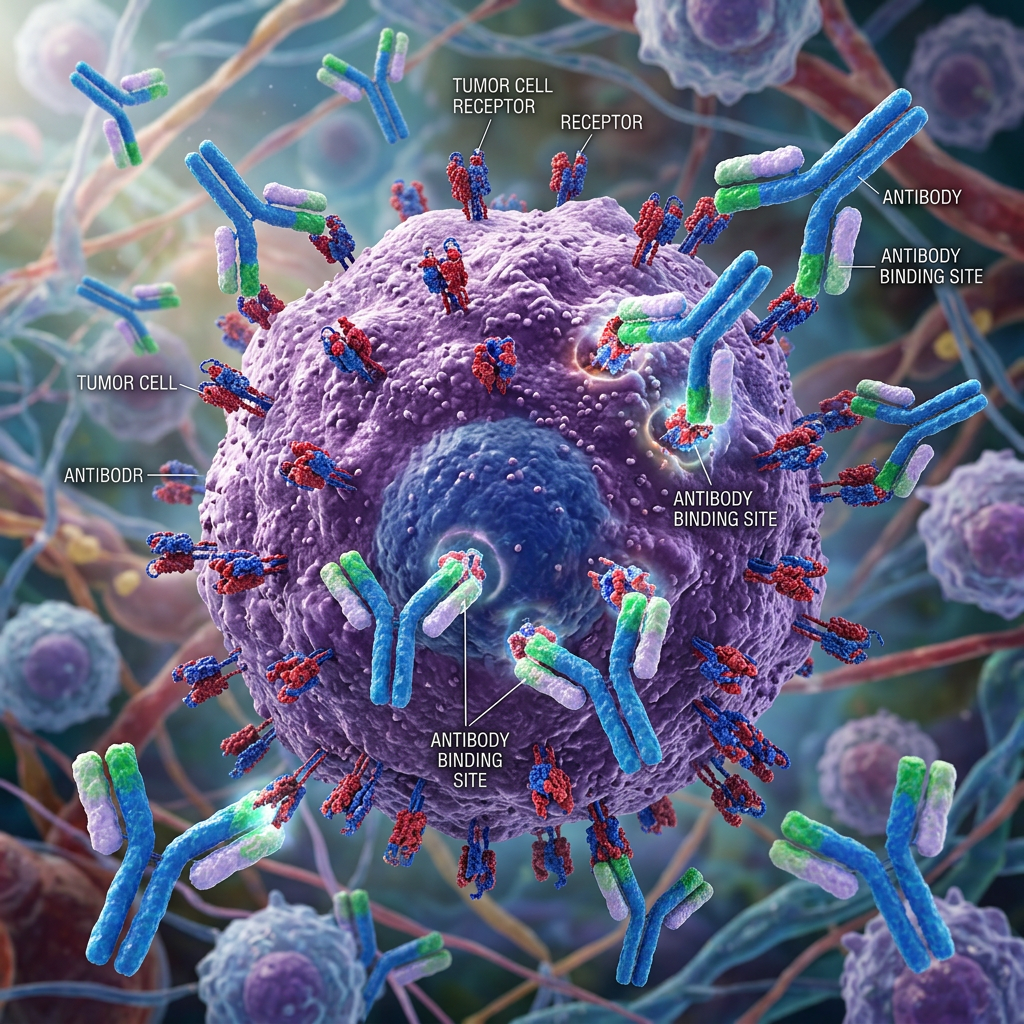
Ficlatuzumab is a high-affinity humanized IgG1 monoclonal antibody designed to target Hepatocyte Growth Factor (HGF) and block its binding to its receptor, c-Met. The HGF/c-Met signaling pathway is a key driver of proliferation and metastasis in Head and Neck Squamous Cell Carcinoma (HNSCC). It has also been identified as a major escape mechanism that triggers bypass resistance and drug tolerance against existing targeted therapies, such as epidermal growth factor receptor (EGFR) inhibitors (e.g., Cetuximab). Ficlatuzumab is designed to neutralize these resistance mechanisms through combination therapy with Cetuximab.
Currently, a global Phase 3 registrational trial (the FIERCE-HN trial) is underway, led by AVEO. This trial compares the efficacy and safety of Ficlatuzumab in combination with Cetuximab against a control group receiving Cetuximab plus placebo in patients with recurrent or metastatic human papillomavirus (HPV)-negative HNSCC who have failed prior chemotherapy and immunotherapy. To maximize clinical efficiency, this study employs an adaptive design. Patients were randomized 1:1:1 to receive either Ficlatuzumab 10 mg/kg + Cetuximab (Arm A), Ficlatuzumab 20 mg/kg + Cetuximab (Arm B), or Cetuximab + Placebo (Arm C). Following a planned first interim analysis at 70 overall survival (OS) events, the inferior 10 mg/kg dose was discontinued, and the 20 mg/kg dose was selected as the optimal dose for the final combination arm. The final OS analysis will occur after 232 (and up to 279) events are reached. Additionally, Ficlatuzumab is undergoing Phase 1b/2 clinical trials in hematology indications, such as Acute Myeloid Leukemia (AML), to expand its target market.
LG00313112 (FMC-220): First-in-Class Covalent Inhibitor for TP53 Y220C Mutation
LG00313112 is a synthetic small-molecule candidate in-licensed from the U.S. precision medicine firm Frontier Medicines. It targets the ‘TP53 Y220C’ mutation, which is identified in approximately 1% to 3% of all solid tumor patients. The TP53 gene normally produces the tumor-suppressor protein p53, but the Y220C mutation causes a tyrosine-to-cysteine substitution, creating a small hydrophobic pocket on the surface. This pocket renders the mutant protein structurally unstable at physiological temperatures, leading to rapid degradation via the proteasome.
LG00313112 specifically binds to this mutant pocket, stabilizing the protein’s structure back to its wild-type conformation and restoring its original tumor-suppressor function. Significantly, it is designed as a covalent-binding agent—a first for this target family—which is expected to provide stronger binding affinity and a more sustained drug response. Preclinical studies demonstrated superior anti-cancer efficacy and prolonged drug responses even at low doses, and showed that it maintains its therapeutic activity in tumor models harboring co-occurring KRAS mutations. On June 30, 2026, the U.S. FDA cleared the Investigational New Drug (IND) application for a global Phase 1/2 trial of LG00313112. To accelerate clinical development, the trial combines Phase 1 (evaluating safety, tolerability, pharmacokinetics, and defining the recommended Phase 2 dose in advanced solid tumors such as ovarian, lung, and breast cancers) and Phase 2 (verifying therapeutic efficacy) into a single, integrated protocol.
LB-LR1109: Next-Generation LILRB1 Checkpoint Inhibitor Activating Multiple Immune Cells
LB-LR1109 is an internally developed immune-oncology candidate designed to block the interaction between the inhibitory receptor ‘LILRB1 (ILT2)’ and the immune-evading ligand ‘HLA-G’. Unlike traditional PD-1 or CTLA-4 inhibitors, which primarily unleash T-cells, LILRB1 is expressed on a broader range of both innate and adaptive immune cells, including T-cells, natural killer (NK) cells, and macrophages.
By selectively blocking LILRB1, LB-LR1109 reduces immunosuppressive signals in the tumor microenvironment and rejuvenates the multi-modal attack of immune cells against tumors. A Phase 1 trial is currently underway in the U.S. and South Korea to evaluate safety, tolerability, pharmacokinetics, and determine the Maximum Tolerated Dose (MTD) in 42 patients with advanced or metastatic non-small cell lung cancer (NSCLC), HNSCC, renal cell carcinoma (RCC), urothelial carcinoma, or melanoma. The target date to derive the primary endpoints of this trial is November 2025.
Early-Stage and Collaborative Pipelines
In addition to its clinical-stage assets, LG Chem is continually fortifying its pipeline to ensure long-term sustainability.
- AV-380 (Rilogrotug): An investigational monoclonal antibody targeting Growth Differentiation Factor 15 (GDF-15) for the treatment of cancer cachexia—a severe wasting syndrome characterized by extreme weight and muscle loss. It is currently in a Phase 1 trial in the U.S..
- HC-5404: A first-in-class PERK (Protein Kinase R-like Endoplasmic Reticulum Kinase) inhibitor introduced through a licensing agreement with HiberCell. Currently in a Phase 1b trial, it is designed to inhibit survival signaling under hypoxic or nutrient-deprived stress within the tumor microenvironment, thereby enhancing and extending the anti-angiogenic effects of therapies. LG Chem plans to explore its combination potential with its own renal cell carcinoma drug, Fotivda.
- CUE-101 and CUE-102 (Immuno-STAT Platform): Developed in partnership with Cue Biopharma, these are novel fusion proteins designed to selectively activate tumor-specific T-cells. CUE-101, which targets HPV16 E7-driven head and neck cancers, is in a U.S. Phase 1 trial. CUE-102, which targets the Wilms Tumor 1 (WT-1) antigen expressed in solid and hematological malignancies, has completed preclinicals and is in a Phase 1 trial.
- PDC*lung (LR19125): In-licensed from French-Belgian biotech PDC*line Pharma, this is an off-the-shelf therapeutic cell-based cancer vaccine targeting NSCLC. It uses a proprietary Plasmacytoid Dendritic Cell line loaded with six NSCLC-associated tumor antigens and is undergoing Phase 1/2 evaluation.
Competitive Benchmarking Against Global Pipelines
LG Chem’s oncology assets are positioned in high-value, competitive markets alongside major global biopharma candidates.
| Therapeutic Area | LG Chem Pipeline Status | Global Competitor Asset | Technical Superiority & Clinical Differentiation |
| HNSCC Resistance Bypass | Ficlatuzumab • HGF ligand targeted antibody • Global Phase 3 (FIERCE-HN) | Cetuximab (Monotherapy) • EGFR targeted antibody • Limit: Single-agent ORR < 15% in HNSCC | Simultaneously targets both EGFR and c-Met pathways, neutralizing the HGF-mediated bypass mechanism to overcome cetuximab resistance. Demonstrates superior outcomes particularly in HPV-negative patients who historically have poor prognoses. |
| TP53 Y220C Stabilization | LG00313112 (FMC-220) • Covalent p53 stabilizer • Phase 1/2 cleared | Rezatapopt (PC14586) • Non-covalent p53 stabilizer • Pivotal Phase 2 (PMV Pharma) | Rezatapopt is the first-mover with strong clinical efficacy (ORR of 44.4% in heavily pretreated ovarian cancer). LG00313112 differentiates itself by using covalent bonding, which is designed to provide irreversible stabilization of p53, potentially translating to longer duration of response and higher potency at lower doses. |
| Innate & Adaptive Immune Checkpoint | LB-LR1109 • LILRB1 antagonist • Phase 1 (US/KR) | IOS-1002 (ImmunOs) • LILRB1/2, KIR3DL1 triple-blocker • SAR444881 (Sanofi)[cite: 28] | IOS-1002 aims to block three different receptors to trigger immune infiltration. LB-LR1109 selectively targets LILRB1 to safely stimulate T-cells, NK-cells, and macrophage phagocytosis while minimizing the risks of systemic immune over-activation and off-target toxicities. |
| Cancer Cachexia | Rilogrotug (AV-380) • GDF-15 targeted antibody • Phase 1 (US) | Ponsegromab (Pfizer) • GDF-15 targeted antibody • Phase 2 completed | Pfizer’s Ponsegromab demonstrated clear proof-of-concept in Phase 2, with patients showing a 5.61% mean body weight increase at the highest dose. Rilogrotug validates this GDF-15 path and aims to capture market share with optimized pharmacokinetics for subcutaneous delivery. |
Mid-to-Long-Term Industry Outlook and Expert Analysis
Industry researchers and financial analysts note that LG Chem’s oncology business model has significantly increased the probability of clinical and regulatory success in the global market.
Utilizing the AVEO Platform for U.S. Clinical and Regulatory Alignment
Analysts highlight that AVEO Oncology’s established infrastructure and regulatory expertise in the U.S. are accelerating LG Chem’s actual development timelines. Korean biotech firms often struggle with the complex logistics of FDA-compliant clinical designs and global patient recruitment networks. LG Chem has established a highly efficient division of labor: early-stage target validation is conducted at the Magok R&D Campus in Seoul, while U.S. and global late-stage clinical trials, regulatory filings, and eventual commercial distribution are led by Boston-based AVEO. This framework minimizes administrative risk and allows the group to retain global commercialization rights.
Adaptive Clinical Design and Risk Mitigation
Clinical experts commend the design of the Ficlatuzumab Phase 3 trial for its smart risk-mitigation strategy. Traditional trials risk late-stage failure after enrolling a large, fixed-dose population, whereas the FIERCE-HN trial utilized an adaptive design. Conducting an early interim analysis of 70 events allowed the team to eliminate the less effective 10 mg/kg dose cohort quickly, optimizing clinical costs. Additionally, despite the recent Phase 3 failure of Fotivda in combination with Opdivo (TiNivo-2 trial), the clinical trial demonstrated the therapeutic viability of Fotivda monotherapy in the second-line setting, preserving its current commercial standing. Furthermore, the strategic decision to trim non-core pipelines has freed up cash flow to fully back Ficlatuzumab’s launch preparations.
Key Checkpoints for Investors
Investors evaluating LG Chem’s life sciences business should focus on the following core factors:
1. Commercial Timelines and Revenue Potential
- Ficlatuzumab Commercial Launch (2028): Following the completion of the Phase 3 global trial, the drug is projected to launch in the U.S. by 2028 if approved. The U.S. head and neck cancer treatment market is expected to grow from 2 trillion KRW ($1.6B USD) in 2023 to 3.5 trillion KRW ($2.7B USD) by 2028. Successful market entry will unlock massive sales royalties.
- Fotivda’s Cash Cow Role: AVEO’s renal cell carcinoma drug, Fotivda, generates over 200 billion KRW in annual U.S. revenue, with a target to reach 450 to 500 billion KRW by 2027. A steady rise in Fotivda’s sales will enable the Life Sciences division to fund its early-stage R&D pipeline using its own cash flow, reducing dependence on debt.
2. Key Pipeline Milestone Roadmaps
- LB-LR1109 Phase 1 Trial Results (November 2025): The upcoming release of primary safety and dose-escalation data is a critical near-term catalyst to benchmark its profile against Sanofi’s competitor.
- LG00313112 Phase 1/2 Interim Data (First Half of 2027): This timeline aligns with PMV Pharma’s planned FDA NDA filing for Rezatapopt in Q1 2027. LG Chem must demonstrate competitive safety and stability data in its early cohorts to attract global market interest.
3. Parent Company Correlation and Structural Risks
- While the Life Sciences division is posting steady revenue growth, its operating margins remain pressured due to massive annual R&D expenditures.
- Investors must monitor the parent company’s broader financial health, which is heavily influenced by the petrochemical industry’s cyclical downturn and significant capital expenditures (CAPEX) for battery materials. If the Life Sciences division’s valuation expands rapidly, corporate restructuring or spin-off scenarios (similar to the spin-off of LG Energy Solution) may emerge, posing potential share-dilution risks.
Conclusion
LG Chem’s oncology strategy prioritizes long-term clinical value over short-term financial gains. The combination of AVEO’s clinical/regulatory expertise and LG Chem’s innovative chemistry has structurally elevated the probability of success for these complex biological assets. While macro headwinds in the petrochemical and battery materials sectors may impact the parent company’s near-term consolidated financials, the pharmaceutical division is successfully cementing its role as a highly valuable, resilient growth engine